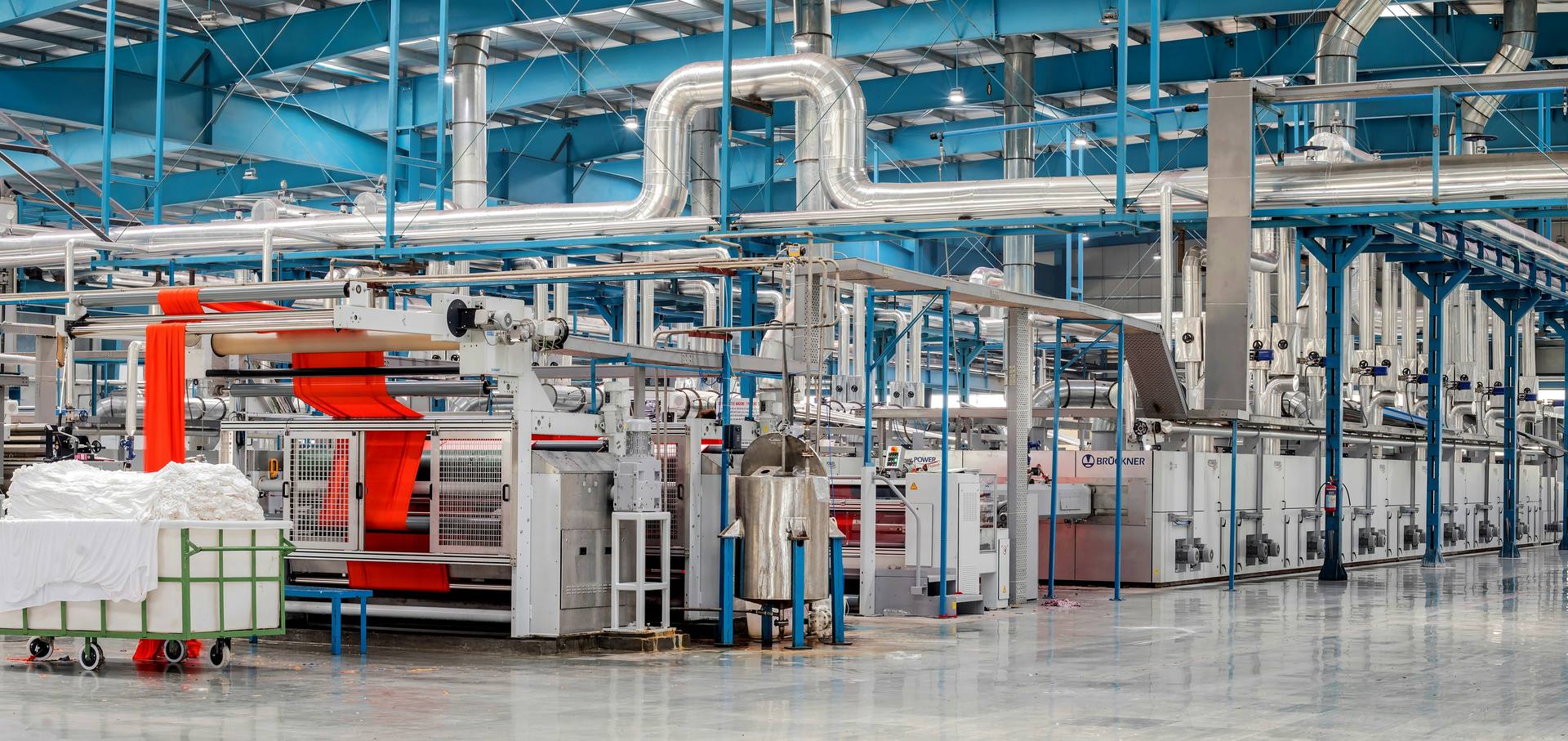
Industrial facility

Industrial buildings do not need to be replaced. They need to be transformed.

We support modernization of existing factories, adaptation to new production lines, machine placement studies, relayout of plants and spatial analysis of conflicts between equipment and existing structure. Sustainable transformation of industrial buildings is no longer optional. In many cases, it is the most rational path forward.

Start modernization planning
Why modernization now

European industry is changing faster than the buildings that contain it.

New machines, automation, robotics, tighter logistics, energy-efficiency standards and environmental pressure are changing the way factories operate. At the same time, the European transition toward lower emissions and more circular construction makes reuse of existing industrial structures increasingly important. Instead of demolishing and building from zero, many facilities can be adapted, reorganized and technically upgraded. This is not only a design opportunity. It is a strategic, ecological and economic necessity.

Industrial modernization is one of the most responsible forms of building practice today. It extends the life of existing structures, reduces unnecessary demolition, lowers embodied carbon and helps production facilities adapt to new technologies without starting from zero. A factory should not be treated as a frozen object. It should be understood as a living framework that can evolve with machines, people, logistics and environmental standards.
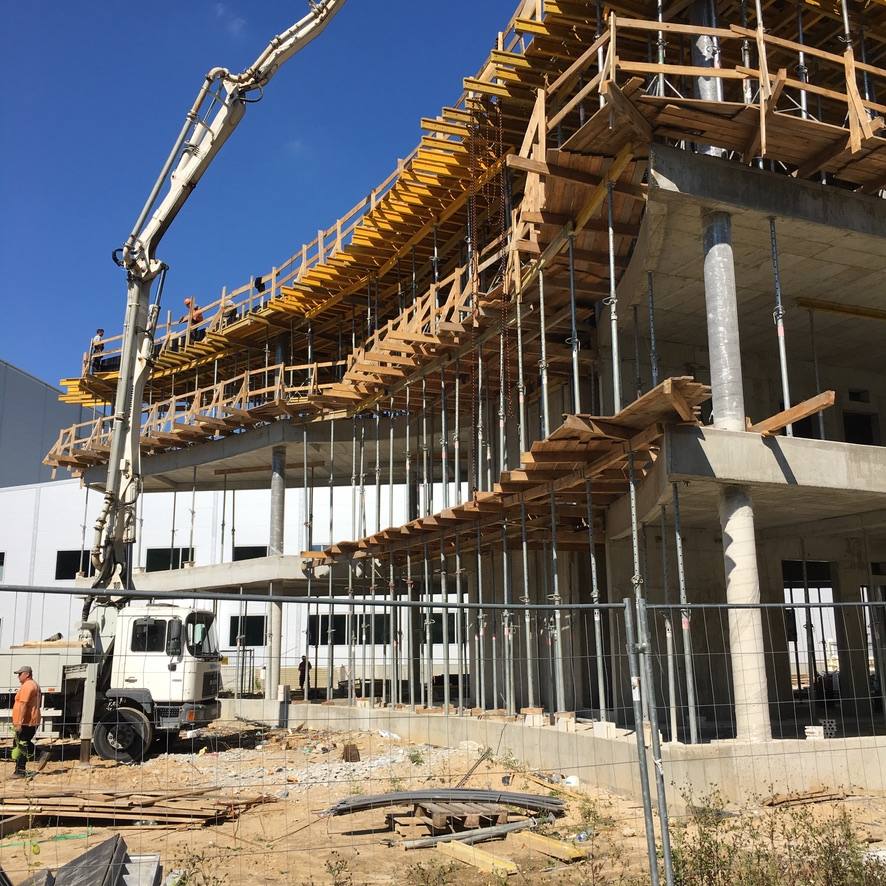
Industrial modernization concept
Factory assessment

Early-stage reading of the existing building and its modernization potential.

Existing facility review and strategic diagnosis

  • Existing drawings and plant logic review
  • Basic spatial and technical constraints
  • Initial modernization opportunities
  • Risk points in the current building
  • Strategic basis for the next step
Machine and layout study

Verification of new production requirements inside the existing industrial structure.

Machine placement, conflicts and relayout scenarios

  • Machine fit inside existing structure
  • Collision checks with columns, roof or installations
  • Assembly and maintenance access review
  • Working layout alternatives
  • Technical basis for investment decisions
Implementation support

Support in moving from analysis into coordinated modernization works.

Phasing, coordination and modernization support

  • Phased modernization scenarios
  • Support for technical coordination
  • Preparation for implementation decisions
  • Flexible scope depending on plant needs
  • Bridge between factory team and design work
Industrial facility under transformation
How we work

From existing documentation and plant knowledge to realistic modernization decisions.

We can work from existing drawings, basic dimensions, photos, machine data, production assumptions and discussions with your technical team. The scope can remain strategic and early-stage, or develop into more detailed coordination support. In some projects the key question is whether a machine fits. In others, the whole internal logic of the plant must be reconsidered. The process is flexible: analysis only, layout study, modernization strategy or support toward implementation.

How does this work in practice?

If you are planning to modernize an existing facility, we can prepare a working layout based on documentation you already have. Existing plans, dimensions, production assumptions, machine requirements and a clear discussion with your team are usually enough to begin. We compare layout options, test whether new equipment can fit, study possible collisions with structure or installations and prepare a clearer basis for investment decisions before detailed design and implementation begin.

What do we offer?

We support modernization of industrial buildings through analysis, layout studies and strategic spatial thinking. This includes understanding the current plant, adapting it to new machines and production processes, identifying technical constraints and preparing realistic modernization scenarios. The aim is not only to place equipment inside a hall, but to improve the operational logic of the whole facility in a way that is technically feasible, economically sensible and environmentally responsible.

Who is this for?

For industrial companies introducing new production lines, replacing legacy machinery, reorganizing plant logistics or preparing broader modernization programs. For factories that need to adapt without unnecessary demolition. For teams that want to understand early whether the building can support the next stage of production and where the main spatial, structural or technical risks lie before implementation begins.
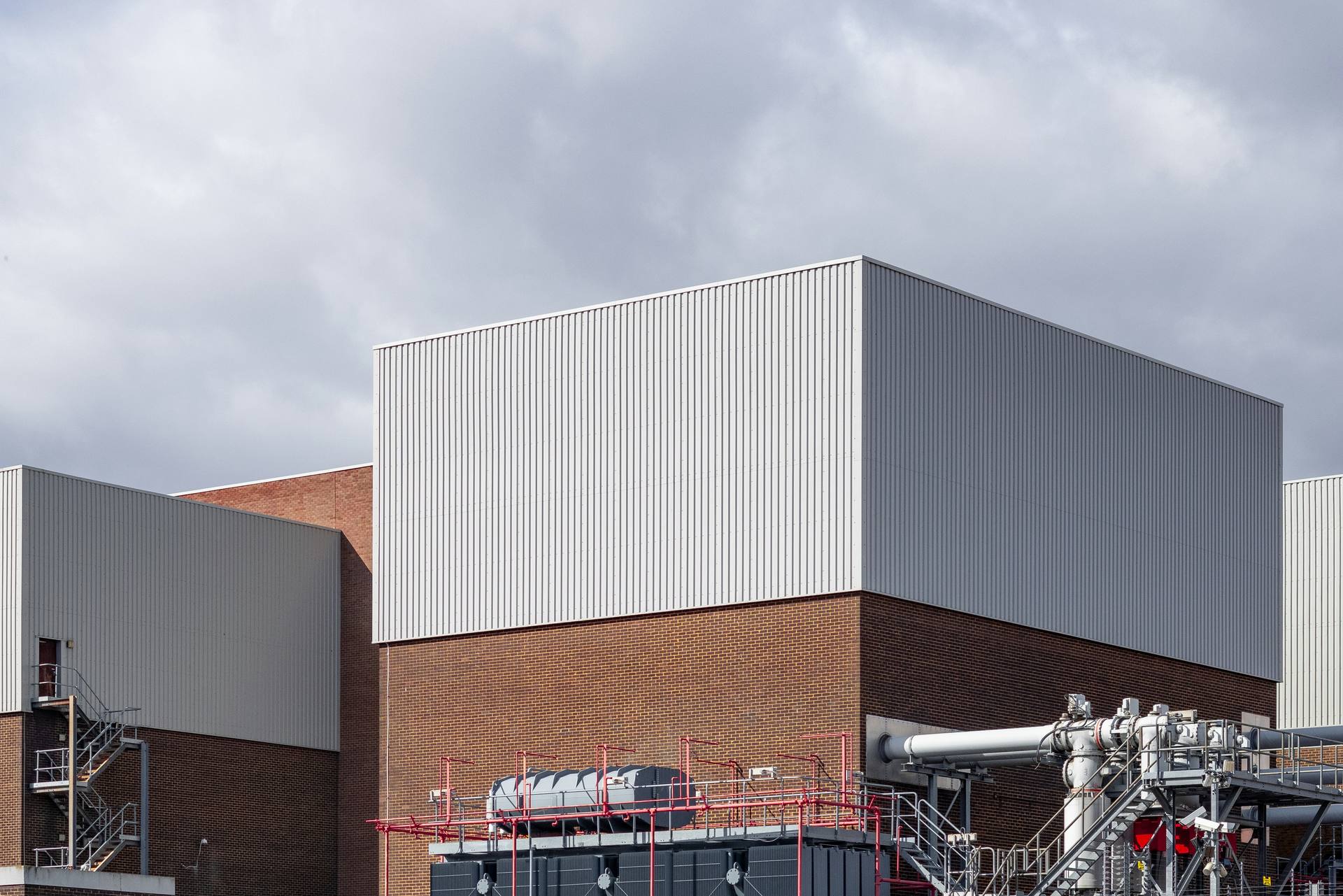
Modernized industrial facility